DNA Motorcycle Chain: Merging Mechanical Engineering with Biological Symbolism in 3D Design
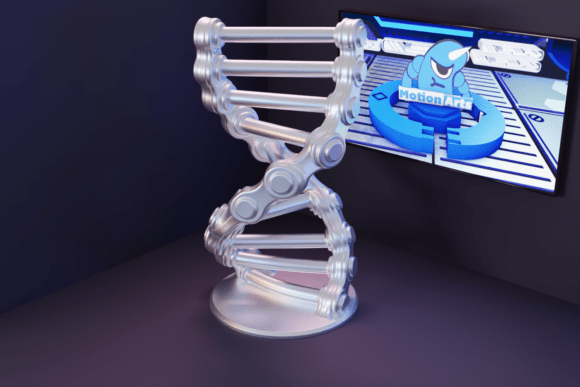
The intersection of mechanical engineering and organic symbolism has long fascinated designers, engineers, and motorcycle enthusiasts alike. Among the most striking recent innovations in this niche is the DNA Motorcycle Chain, a conceptual and physical design that reimagines the double helix structure using actual motorcycle chain links. This is not merely a decorative trinket; it represents a sophisticated fusion of industrial aesthetics and biological metaphor, appealing to those who view riding as an intrinsic part of their identity. For collectors, 3D printing enthusiasts, and automotive decor specialists, understanding the nuances of this design offers insight into how modern fabrication techniques can elevate traditional mechanical components into art.
The Conceptual Foundation: Why Combine DNA and Chains?
At its core, the DNA Motorcycle Chain serves as a visual metaphor for the idea that adrenaline and passion for motorcycling are encoded in one’s genetic makeup. The double helix is universally recognized as the blueprint of life, while the motorcycle chain is the fundamental component that transfers power from the engine to the wheel. By merging these two icons, the design suggests that the mechanics of the bike are as vital to the rider as their own biology.
This symbolic depth distinguishes the DNA Motorcycle Chain from standard automotive memorabilia. Traditional decor often relies on literal representations—miniature bikes, license plates, or generic gear shapes. In contrast, this design requires a higher level of cognitive engagement from the viewer. It invites interpretation, blending the cold precision of steel links with the fluid, twisting form of biological structures. For many adults aged 20–50 who are curating home offices, garages, or man caves, this layer of meaning adds significant value beyond mere aesthetics.
Evaluating the 3D Printing Potential: FDM vs. Resin
One of the primary reasons the DNA Motorcycle Chain has gained traction is its accessibility through digital fabrication. The availability of optimized STL files allows enthusiasts to produce this complex geometry at home. However, the choice of printing technology significantly impacts the final outcome, and understanding these tradeoffs is essential for anyone considering this project.
Fused Deposition Modeling (FDM)
FDM printers, which use thermoplastic filaments like PLA, PETG, or ABS, are the most common entry point for hobbyists. When printing a DNA Motorcycle Chain model via FDM, the layer lines can actually enhance the industrial look, mimicking the textured surface of machined metal. However, the intricate overhangs of the helix structure may require careful orientation and robust support structures. The strength of materials like PETG makes them suitable for larger display pieces that need to withstand handling, but achieving smooth, metallic-looking curves can be challenging without extensive post-processing.
Stereolithography (SLA/Resin)
For those seeking high fidelity and smooth surfaces, resin printing is often the superior choice. The DNA Motorcycle Chain benefits immensely from the high resolution of SLA printers, which can capture the subtle details of individual chain pins and plates within the helical twist. Resin models typically require less sanding to achieve a finish ready for painting. The tradeoff here is material brittleness; standard resins can be fragile, so if the piece is intended for frequent handling or a high-traffic area, tough or durable resin formulations are recommended.
Design Distinctiveness and Aesthetic Versatility
What sets the DNA Motorcycle Chain apart from other 3D printed automotive art is its structural complexity. Unlike static models, the intertwined nature of the helix creates dynamic shadows and highlights that change depending on the viewing angle. This makes it an excellent candidate for display under focused lighting, such as in a glass cabinet or on a desk with task lighting.
The design is also highly versatile regarding customization. While the raw print offers a monochromatic look, the true potential is unlocked through painting and finishing. Enthusiasts often use metallic paints to highlight the "chain" aspects, using darker washes to accentuate the depth between the links. This contrast between strength and style allows the piece to fit into various interior design themes, from industrial loft aesthetics to modern minimalist spaces. The ability to scale the model without losing proportional integrity further enhances its utility, allowing it to serve as a small desk ornament or a larger centerpiece.
Comparing Alternatives: Is This the Right Choice for You?
When evaluating automotive-themed decor or 3D printing projects, it is helpful to compare the DNA Motorcycle Chain against other popular options. Understanding where it fits in the broader market helps ensure it aligns with your specific goals.
- Vs. Traditional Metal Sculptures: Cast metal sculptures offer inherent weight and authenticity but come with a high price tag and limited customization. The 3D printed DNA chain offers a cost-effective alternative with the freedom to choose colors and finishes, though it lacks the thermal mass and feel of real steel.
- Vs. Generic 3D Models: Many free STL files available online are simple low-poly models with little detail. The DNA Motorcycle Chain is typically designed with optimized geometry for both structural integrity and visual appeal, making it a higher-tier choice for those who value craftsmanship.
- Vs. Functional Parts: Unlike printing a replacement bracket or tool holder, this is purely aesthetic. If your primary goal is utility, this model will not serve you. However, if your goal is expression and decoration, it outperforms functional prints in terms of artistic impact.
Practical Considerations for Collectors and Enthusiasts
Before downloading or purchasing the STL file for a DNA Motorcycle Chain, consider the intended environment and maintenance requirements. Dust accumulation can be an issue with intricate lattice structures like a double helix. Regular cleaning with compressed air or a soft brush is necessary to maintain its visual clarity. Additionally, if using PLA filament, avoid placing the model in direct sunlight or near heat sources, as deformation can occur over time. For garage displays where temperatures fluctuate, ABS or ASA filaments are more resilient choices.
For those new to 3D printing, this model serves as an excellent intermediate project. It challenges users to manage supports and understand orientation but does not require the extreme precision of functional mechanical parts. It is a rewarding build that provides tangible proof of skill development.
Making the Decision: Who Should Choose This Design?
The DNA Motorcycle Chain is ideally suited for individuals who see their hobby as a lifestyle rather than just a pastime. It appeals to:
- Gift Givers: Finding unique gifts for motorcycle enthusiasts can be difficult. This model offers a personalized touch, especially if printed in the recipient’s favorite team colors or bike brand hues.
- Interior Designers: Professionals looking for conversation pieces that blend industrial and organic elements will find this design versatile and visually striking.
- 3D Printing Hobbyists: Those looking to expand their portfolio beyond functional prints into artistic territory will appreciate the technical challenge and aesthetic reward.
However, if you prefer low-maintenance decor or have no interest in the assembly and finishing process, pre-made metal art might be a more convenient, albeit expensive, alternative. The value of the DNA Motorcycle Chain lies partly in the creation process—the selection of material, the printing parameters, and the final paint job.
Conclusion: A Symbol of Engineered Passion
The DNA Motorcycle Chain is more than a 3D model; it is a testament to the evolving relationship between digital fabrication and personal expression. By combining the iconic imagery of the double helix with the rugged utility of motorcycle chains, it creates a powerful symbol for riders who feel that speed and engineering are part of their essence. Whether you are an experienced maker looking for a challenging print or a collector seeking a unique decorative element, this design offers a compelling blend of art, science, and mechanical love. As 3D printing technology continues to advance, designs like this pave the way for more sophisticated, meaningful, and personalized automotive art.