Mastering Box Design and Mockup: A Practical Guide to Premium Packaging
In the competitive landscape of retail, your product’s first interaction with a customer is rarely face-to-face. It happens on a shelf, in an unboxing video, or within a digital storefront. This is where Box Design and Mockup becomes the critical bridge between a conceptual idea and a tangible brand experience. Whether you are launching a new fragrance line, creating bespoke luxury goods, or simply upgrading your e-commerce shipping materials, understanding the nuances of packaging design is not just about aesthetics—it is about structural integrity, brand communication, and cost efficiency.
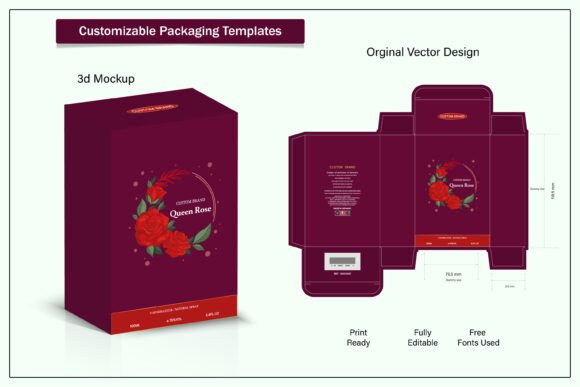
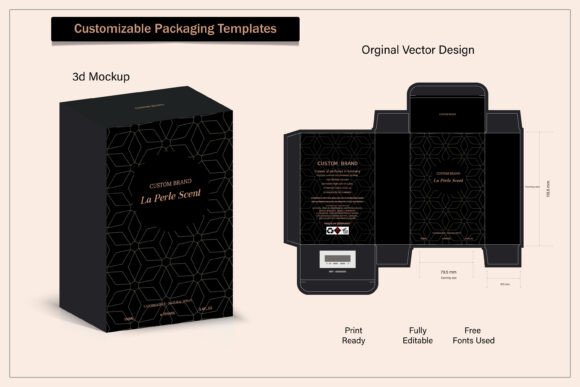
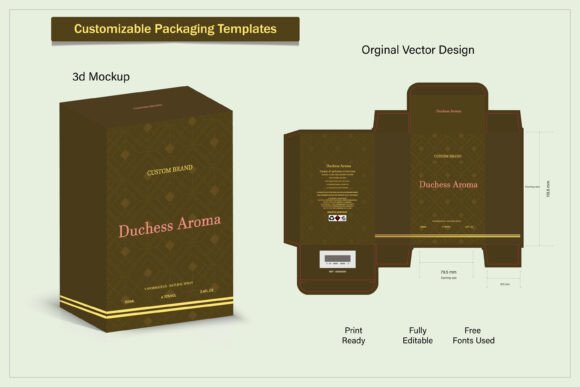
Many entrepreneurs and designers make the mistake of treating packaging as an afterthought. They focus heavily on the logo or the product itself, only to realize too late that the box does not fit, the colors look muddy in print, or the die-cut lines are misaligned. By exploring the intricacies of 3D packaging box design vectors and luxury perfume box templates, you can avoid these costly pitfalls. This guide aims to correct common misunderstandings and provide a clear path toward creating elegant, functional, and sustainable packaging solutions.
The Misconception of "One Size Fits All" in Vector Templates
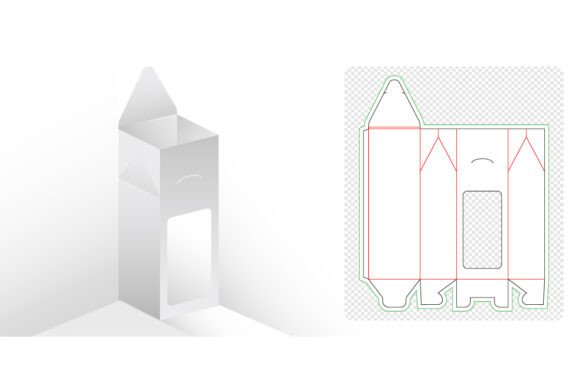
A frequent error among beginners is assuming that any vector template can be stretched or squashed to fit their specific product dimensions without consequence. While it is true that high-quality vector designs, such as those converted from AI files, can be resized without losing quality, the structural geometry of a box cannot be arbitrarily altered. A die-line for a standard corrugated shipping box differs significantly from the intricate folds required for a rigid luxury fragrance box.
If you attempt to force a generic template to fit a unique product shape, you risk compromising the structural integrity of the package. The flaps may not align, the glue tabs might overlap incorrectly, or the box may fail to close securely. Instead of resizing blindly, use the provided vector files as a foundational framework. Adjust the dimensions proportionally while respecting the mechanical constraints of the fold lines. Always verify your adjustments against a physical prototype before committing to a full print run. This step ensures that your innovative packaging design remains both beautiful and functional.
Overlooking the Importance of Die-Cut Precision
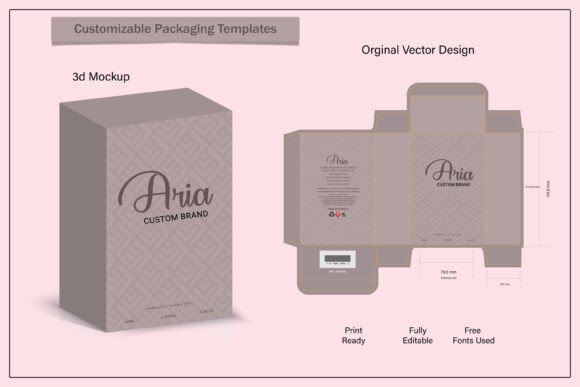
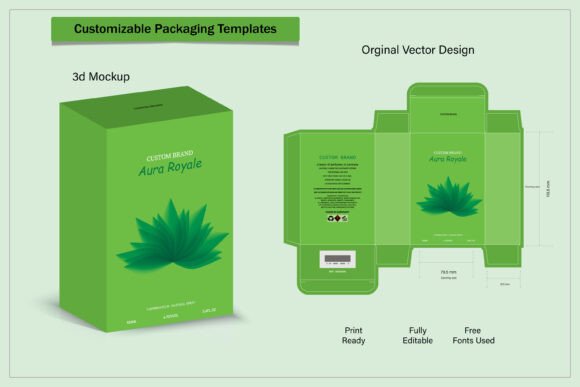
The die-line is the blueprint of your packaging. It dictates where the material will be cut, creased, and folded. A common oversight is neglecting to separate the design layer from the die-cut layer in your software. When you download a comprehensive package containing AI, PDF, and JPG files, you are given the tools to manage these elements separately. However, many users flatten their layers or ignore the specific stroke weights required for cutting machines.
This mistake can lead to disastrous printing results. If your artwork bleeds into the cut line, you may end up with white edges or truncated graphics. Conversely, if critical text or logos are placed too close to the fold, they may become distorted or hidden when the box is assembled. To avoid this, always keep your design elements on a separate layer above the die-line template. Use the template strictly as a guide for placement, ensuring that all vital visual information sits safely within the "live area" of the box. This practice is essential for maintaining the professional appearance of your retail packaging design.
Ignoring Material Constraints in Luxury Packaging
When designing for high-end products like perfume or jewelry, the choice of material is as important as the graphic design. A sleek, minimalist 3D illustration might look stunning on screen, but it may not translate well to certain substrates. For instance, eco-friendly packaging design often utilizes recycled papers or cardstocks that have a different texture and absorbency compared to glossy coated boards. If you do not account for these material properties, your colors may appear dull, and fine details may get lost.
Before finalizing your custom packaging box design, consider the tactile experience. Luxury packaging box designs often incorporate embossing, foil stamping, or spot UV coatings. These elements require precise alignment with your vector artwork. If your mockup does not account for these finishes, the final product may lack the premium feel you intended. Review your design with your printer early in the process. Ask them about the limitations of their specific machinery and materials. This collaborative approach ensures that your creative packaging ideas are technically feasible and visually impactful.
The Digital vs. Physical Reality Gap
It is crucial to remember that the files you purchase—whether they are 4 AI files, 4 PDF print files, or high-resolution JPGs—are digital assets. They are not physical items. Many buyers mistakenly expect a pre-made box to arrive in the mail. Understanding that this is a digital cut file empowers you to take control of the production process. You have the freedom to customize every aspect, from the color palette to the structural dimensions, but you also bear the responsibility of preparing the files correctly for manufacturing.
To bridge the gap between digital design and physical reality, always create a physical proof. Print your design on standard paper, cut it out, and assemble it. This low-cost test allows you to check the fit, the fold accuracy, and the overall aesthetic. It reveals issues that are impossible to spot on a screen, such as awkward proportions or difficult assembly steps. By validating your design physically, you save time and money in the long run, ensuring that your final production run meets your exact standards.
Embracing Sustainability Without Compromising Style
Sustainable packaging solutions are no longer a niche trend; they are a consumer expectation. However, there is a misconception that eco-friendly materials limit design possibilities. On the contrary, sustainable materials can enhance the perceived value of your brand. Corrugated packaging design, for example, has evolved from simple brown boxes to sophisticated, printed structures that offer both protection and style. By choosing recyclable or biodegradable materials, you align your brand with environmental values, which resonates strongly with modern consumers.
When selecting your packaging design trends, look for ways to minimize waste. Opt for designs that require less ink or use soy-based inks. Consider modular designs that can serve multiple purposes, reducing the need for excessive outer wrapping. Your 3D packaging box design vector should reflect these values. Use clean lines and efficient layouts that highlight the natural beauty of the material. This approach not only reduces your environmental footprint but also creates a distinctive, authentic brand identity.
Final Checklist Before Production
Before you send your files to the printer, take a moment to review the following points:
- Verify Dimensions: Ensure the box dimensions match your product exactly, including any padding or inserts.
- Check Color Profiles: Convert your design to CMYK color mode to ensure accurate print reproduction.
- Inspect Bleed and Margins: Confirm that all background elements extend beyond the cut line and that text is safely within the margin.
- Review File Formats: Use the provided AI or PDF files for printing, as they maintain vector quality. Reserve JPGs for digital previews.
- Test Assembly: Create a physical prototype to validate the structure and ease of assembly.
By paying attention to these details, you transform a simple container into a powerful marketing tool. Your packaging becomes an extension of your brand story, communicating quality, care, and innovation. Whether you are designing for fragrance, electronics, or artisanal goods, the principles of effective box design remain the same: precision, clarity, and attention to detail. Embrace the flexibility of vector templates, respect the constraints of physical materials, and always prioritize the user experience. With the right approach, your packaging will not just hold your product—it will elevate it.