Evaluating the 3D Cartoon War Helicopter STL for Creative Printing Projects
For enthusiasts of additive manufacturing, selecting the right digital model is often as critical as choosing the printer itself. The 3D Cartoon War Helicopter represents a specific niche within the broader category of military-themed miniatures and decorative objects. Unlike hyper-realistic scale models that demand microscopic precision and often suffer from print failures due to fragile components, this stylized approach prioritizes robust geometry and visual appeal. It serves as an excellent case study for hobbyists looking to balance aesthetic charm with printability.
This article explores the distinct characteristics of cartoon-style military models, compares them against traditional scale replicas, and provides practical guidance on when this specific design choice aligns best with your printing capabilities and end goals.
Defining the Cartoon Aesthetic in Military Models
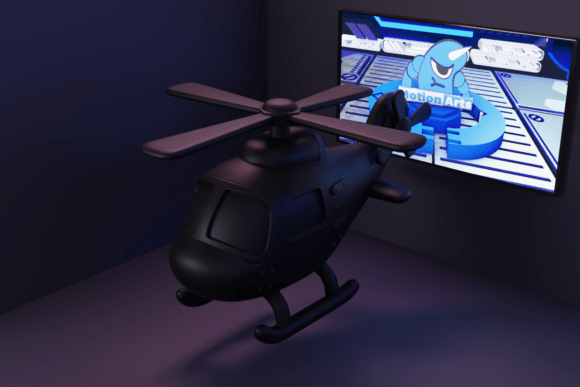
The term "cartoon style" in 3D modeling refers to a deliberate exaggeration of proportions and a simplification of complex mechanical details. In the context of a war helicopter, this means thicker rotor blades, enlarged cockpit windows, and a fuselage that emphasizes volume over intricate panel lines. The 3D Cartoon War Helicopter is designed with these principles in mind, creating a object that feels playful yet retains the recognizable silhouette of a combat aircraft.
This design philosophy offers several tangible benefits for 3D printing. First, the robust lines reduce the likelihood of print failures. Thin antennae or delicate landing gear found on realistic models are prone to snapping during removal from the build plate or during post-processing. By contrast, the stylized version integrates these features into the main body or thickens them significantly, ensuring structural integrity. Second, the simplified surfaces provide an ideal canvas for painting. Without the noise of excessive rivets and seams, painters can focus on bold color blocking, camouflage patterns, and weathering effects that stand out even from a distance.
Comparison: Stylized vs. Realistic Scale Models
When deciding between a 3D Cartoon War Helicopter and a true-to-scale replica, it is essential to consider the intended use case and the printer’s technical limitations. Below is a breakdown of how these two categories compare across key decision factors.
- Print Success Rate: Cartoon models generally have higher success rates on FDM (Fused Deposition Modeling) printers because they require less support material and have fewer overhangs that defy gravity. Realistic models often require resin printers or high-end FDM setups with fine nozzles to capture detail without layer lines obscuring the features.
- Post-Processing Time: Stylized models require less sanding and cleanup. The smooth, curved surfaces typical of cartoon designs hide minor layer artifacts better than the flat, angular panels of realistic tanks or aircraft. This makes them ideal for users who want to spend more time painting and less time prepping.
- Audience Appeal: Realistic models appeal to historical purists and military historians who value accuracy above all. Cartoon models, however, have broader appeal for general collectors, children’s room decor, and themed dioramas that prioritize mood and narrative over strict historical fidelity.
- Durability: If the model is intended for handling, such as a toy or a display piece in a high-traffic area, the chunky proportions of the cartoon style offer superior durability. Realistic models are often fragile collectibles meant for static display in glass cases.
Technical Considerations for FDM and Resin Printing
One of the strongest advantages of the 3D Cartoon War Helicopter STL files is their versatility across different printing technologies. Whether you own an entry-level FDM printer or a high-resolution SLA resin machine, this model type adapts well to both.
Optimizing for FDM Printers
For FDM users, the key to a clean print lies in orientation and infill. Because the model features large, solid areas like the fuselage and rotor hubs, it prints efficiently. Experts recommend orienting the helicopter so that the largest flat surface rests on the build plate to minimize support structures. An infill density of 15–20% is usually sufficient to provide weight and stability without wasting filament. Additionally, using a brim can help prevent warping on the larger base sections, ensuring the model remains anchored throughout the print job.
Optimizing for Resin Printers
Resin printers excel at capturing the subtle curves and smooth finishes inherent in cartoon designs. When printing the 3D Cartoon War Helicopter in resin, users should focus on hollowing the model if it is large, adding drainage holes to prevent suction cups during printing. The detailed design optimized for clean printing means that even at standard resolutions (0.05mm), the propellers and window frames will come out sharp. However, care must be taken during washing and curing to ensure that the thicker parts do not retain uncured resin in internal cavities.
Ideal Use Cases and Customization Potential
Understanding where this model fits best helps in maximizing its value. The 3D Cartoon War Helicopter is not just a standalone figure; it is a versatile component for various creative projects.
- Themed Dioramas: For creators building fantasy or alternate-history scenes, this helicopter adds a dynamic element. Its stylized look blends seamlessly with other non-realistic assets, such as cartoonish soldiers or exaggerated terrain features.
- Educational Tools: Teachers and parents can use these models to introduce children to aviation concepts without the intimidation of complex engineering diagrams. The clear distinction between rotors, cockpit, and tail boom makes it an effective visual aid.
- Painting Practice: For novice painters, the large, distinct sections of the helicopter allow for practice in basic techniques like dry brushing, washes, and edge highlighting. The camouflage patterns mentioned in the model description provide an excellent opportunity to experiment with freehand airbrushing or mask-based painting.
- Gift Items: Due to its fun proportions and nostalgic appeal, this model makes a thoughtful gift for enthusiasts who appreciate military hardware but prefer a lighthearted presentation. It avoids the aggressive tone of realistic war machines while still celebrating the mechanical intrigue of helicopters.
Limitations and When to Choose Alternatives
While the 3D Cartoon War Helicopter offers numerous benefits, it is not the optimal choice for every scenario. Recognizing its limitations ensures that users do not experience buyer’s remorse.
If your goal is historical reenactment or museum-quality display, this model will fall short. The exaggerated proportions distort the actual engineering of the aircraft, which may be distracting for purists. Similarly, if you are looking to create a highly detailed battle scene with dozens of units, the larger scale of cartoon models might consume too much desk space compared to smaller, realistic 1:72 or 1:144 scale figures.
Furthermore, users seeking extreme mechanical complexity, such as visible engine internals or working gear mechanisms, should look toward specialized engineering-focused STLs rather than stylized artistic models. The cartoon style prioritizes form and silhouette over functional realism.
Making the Final Decision
Choosing the right 3D model involves balancing your technical skills, available time, and desired outcome. The 3D Cartoon War Helicopter stands out as a robust, user-friendly option that bridges the gap between toy-like simplicity and collector-grade detail. It is particularly well-suited for those who value the creative process of painting and customization over the tedious assembly of tiny, fragile parts.
By understanding the tradeoffs between stylized and realistic designs, you can make an informed decision that enhances your 3D printing portfolio. Whether you are building a playful diorama, practicing new painting techniques, or simply adding a unique piece to your collection, this model offers a reliable and enjoyable printing experience. Always review the specific STL file details regarding support requirements and scale before printing to ensure the final result matches your vision.