Bringing the 3D Cartoon Car to Life: A Practical Guide for Creators and Collectors
There is a distinct charm to stylized 3D models that hyper-realistic scans simply cannot replicate. When you look at a 3D Cartoon Car, you are not just seeing a vehicle; you are seeing an interpretation of one. These models strip away the unnecessary noise of real-world engineering—like complex undercarriages or invisible internal components—and amplify the personality of the design. For hobbyists, educators, and small business owners, this approach opens up a world of creative possibilities that rigid, technical blueprints often close off.
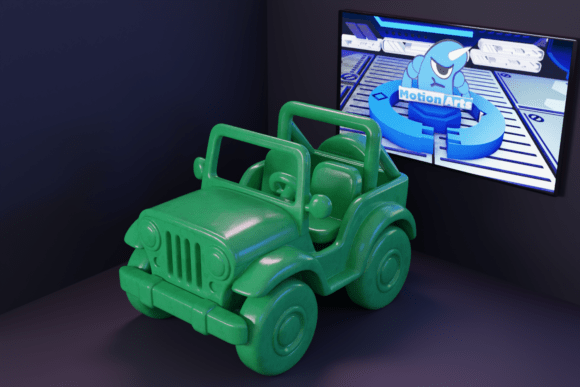
The appeal lies in the balance between recognition and exaggeration. A cartoon-style war jeep, for instance, retains the robust silhouette and military cues we recognize, but it does so with exaggerated proportions, bold lines, and a sense of humor. This makes the 3D Cartoon Car an incredibly versatile asset. It is not merely a toy; it is a storytelling tool, a teaching aid, and a customizable product ready for the modern maker’s workshop.
Why Stylized Models Outperform Realism in Certain Projects
Many newcomers to 3D printing assume that higher fidelity equals better results. However, when working with FDM (Fused Deposition Modeling) printers or even entry-level resin machines, highly detailed realistic models can be a nightmare. They often require extensive support structures, suffer from layer adhesion issues on thin parts, and demand hours of post-processing cleanup.
In contrast, a well-designed 3D Cartoon Car is optimized for clean and accurate printing. The thickened walls, simplified geometries, and intentional lack of fragile protrusions mean that these models are far more forgiving. For a parent printing a gift for a child, or a teacher preparing classroom materials, this reliability is crucial. You spend less time troubleshooting print failures and more time enjoying the final result. The robust features inherent in cartoon designs ensure that the model survives handling, making it ideal for interactive dioramas or playsets.
Real-World Applications for Hobbyists and Collectors
The primary audience for these models often includes diorama builders and tabletop gamers. If you are constructing a stylized battlefield or a whimsical cityscape, a photorealistic tank might look out of place next to hand-painted miniatures with exaggerated features. A 3D Cartoon Car fits seamlessly into these environments. It provides scale and context without dominating the visual narrative with excessive detail.
Consider the collector who enjoys painting. The smooth surfaces and large, distinct panels of a cartoon-style war jeep offer a perfect canvas for experimentation. You are not constrained by the need to match exact historical camouflage patterns. Instead, you can explore vibrant color schemes, weathering techniques, or custom insignias. This freedom transforms the printing process from a replication task into a genuine artistic endeavor. The model becomes a unique piece that blends nostalgia, strength, and humor in a design that reflects your personal style.
Educational and Professional Use Cases
Beyond the hobbyist sphere, these models have significant utility in educational and professional settings. Educators teaching basic principles of design, geometry, or even history can use a 3D Cartoon Car as an engaging hook. Students are more likely to engage with a fun, approachable model than a dry technical diagram. It allows them to understand form and function without being overwhelmed by complexity.
For marketers and content creators, having access to unique, copyright-safe 3D assets is invaluable. If you run a blog about 3D printing, gaming, or DIY crafts, featuring a distinctive model like a cartoon war jeep can help your content stand out. It serves as excellent visual material for tutorials, reviews, or social media posts. Because these models are often designed with customization in mind, you can adapt them to fit specific brand colors or thematic requirements, adding a layer of professionalism to your digital presence.
Technical Considerations Before You Print
While the ease of printing is a major selling point, there are still factors to consider before downloading your next 3D Cartoon Car. First, assess your printer’s capabilities. Although these models are compatible with both FDM and resin printers, the finish will differ significantly. FDM prints may show layer lines, which can add a nice texture to a rugged military vehicle if sanded lightly. Resin prints will offer a smoother surface, ideal for intricate painting but requiring more careful handling during support removal.
Second, think about scale. A model that looks impressive on screen might be surprisingly small or large when printed. Check the dimensions provided in the STL file description. If you are building a diorama, ensure the car’s scale matches your other elements. If you are printing a standalone piece for display, consider whether you want a desk-sized ornament or a larger shelf centerpiece. Most STL files can be scaled up or down in your slicer software, but remember that scaling up too much on an FDM printer may reveal geometric simplifications that were not visible at a smaller size.
Customization: Making the Model Your Own
The true value of a digital 3D model lies in its malleability. Unlike a physical toy bought off a shelf, a 3D Cartoon Car is a starting point. Advanced users can modify the STL file in CAD software to add custom accessories, change wheel types, or alter the body shape. Even without advanced modeling skills, simple post-print modifications can make a huge difference.
Painting is the most accessible form of customization. Use acrylics to apply camouflage patterns, rust effects, or bright, cartoonish colors. You can add decals or hand-painted insignias to give your jeep a specific identity. Some creators even integrate LED lights into the hollow spaces of the model, turning a static print into a dynamic display piece. The key is to view the model not as a finished product, but as a raw material for your creativity.
Navigating the Digital Marketplace
When searching for these models, quality varies widely. Look for designers who provide clear images of printed results, not just renders. Renders can hide structural weaknesses or overhangs that are difficult to print. Read user comments and reviews to see if others have successfully printed the model without major issues. A good designer will often include tips on orientation and support settings, which can save you hours of trial and error.
Also, be aware of licensing terms. Many creators offer their 3D Cartoon Car models for personal use only. If you plan to sell printed copies, ensure you have the appropriate commercial license. Supporting designers who create high-quality, optimized models ensures that the community continues to thrive and produce innovative designs.
Ultimately, integrating a stylized vehicle into your workflow or hobby brings a sense of playfulness back to the technical process of 3D printing. It reminds us that technology is not just about precision and efficiency, but also about expression and joy. Whether you are building a detailed diorama, teaching a class, or simply looking for a fun weekend project, a well-crafted cartoon war jeep offers a perfect blend of challenge and reward. It invites you to engage with the medium creatively, proving that sometimes, less realism leads to more impact.